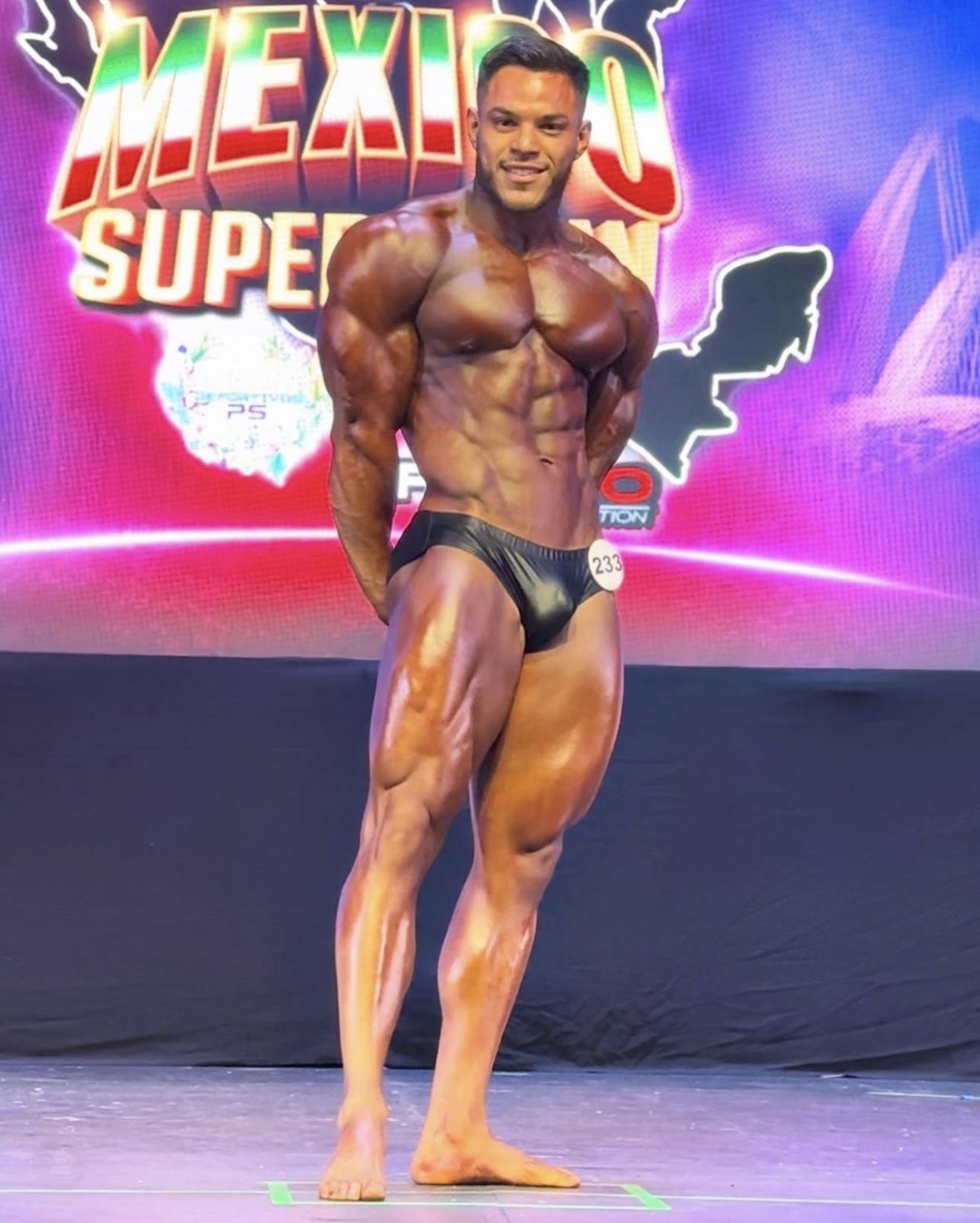
Classic Physique Height-Weight Cap: What It Means for Your Prep
Classic Physique is the only major NPC men's division with a hard height-weight cap. Miss it by a pound and you cannot compete. Understanding how the cap shapes your prep is non-negotiable before you choose the division.
What the cap actually is
Classic Physique uses a sliding scale by height. As a rough reference, an athlete at 5'7" is capped around 180 lb; at 5'9" around 192 lb; at 5'11" around 207 lb; at 6'1" around 225 lb. The exact numbers published by the NPC/IFBB Pro League are the ones to confirm before you register - caps have been adjusted multiple times since the division was introduced in 2016.
The strategic question
If you are naturally built to carry 15 lb above your Classic Physique cap at stage condition, you have two choices: cut harder than your frame wants in order to make weight, or move to Men's Physique or Open Bodybuilding where no cap exists. Many athletes who try to force Classic Physique against their frame look flat on stage because they had to strip meaningful muscle to hit the number.
How I decide at intake
During intake I take current weight, measurements, body composition estimate, and training history. I project a realistic stage weight at competition conditioning. If projected stage weight is within 5 lb of the cap for your height, Classic Physique works. If projected stage weight is 10+ lb over cap, we have a conversation about Men's Physique instead. If you are 10 lb under cap even at your best conditioning, you have another year of building before Classic Physique is the right pick.
The common trap
Athletes at 5'10" with a projected stage weight of 215 lb try to cut to 199 lb to make Classic Physique cap. In almost every case they strip 10-15 lb of muscle during the aggressive cut and show up looking small for their height, with no classic lines. The Men's Physique route would have been better. Classic Physique rewards fullness within the cap - a flat, under-fed athlete at the cap loses to a slightly under-cap athlete with better muscle bellies every time.
How the cap shapes training
If you are on the border, off-season programming prioritizes density over size - better muscle bellies, better separation, better classic lines in the same frame rather than more total mass. Lagging body parts get volume; dominant body parts get maintenance. Adding 10 lb to the bench press matters less than tightening the waist and sharpening the deltoid caps if you are already near cap weight.
Classic Physique vs Men's Physique at a glance
- Classic Physique: height-weight cap, trunks, full mandatory posing including classic pose and vacuum, quad and ham development required.
- Men's Physique: no cap, boardshorts, quarter turns and front relaxed only, focus on upper body V-taper and midsection.
- Open Bodybuilding: no cap, trunks, full mandatory posing with maximum muscle and conditioning expectations.
What to do if you are borderline
Compete in Classic Physique for a season, see how your body responds to prep at cap weight, and decide after real stage experience whether to stay or move. One year of actual data beats five years of speculation.
Not sure which division?
I review structure and goals at intake. Honest answer, not a sales pitch.
NPC Prep ->Frequently asked
What happens if I weigh in over the Classic Physique cap?
You are moved out of the division. Depending on show policies you may be able to compete in Men's Physique or Open Bodybuilding instead, but Classic Physique is closed to you at that show.
Can I bulk up and still fit Classic Physique?
Only within the cap. Classic Physique rewards fullness at cap weight, not just raw mass. If your frame carries 25 lb above cap even lean, you are a Men's Physique or Open Bodybuilding athlete.
Are the cap numbers the same every year?
The NPC/IFBB Pro League has adjusted caps multiple times since the division's 2016 debut. Always confirm current numbers from official sources before registering.
Related reading
(c) Alex Castro Coach - alexcastroteam.com